
Choose a Crosby Rigging Hardware Distributor
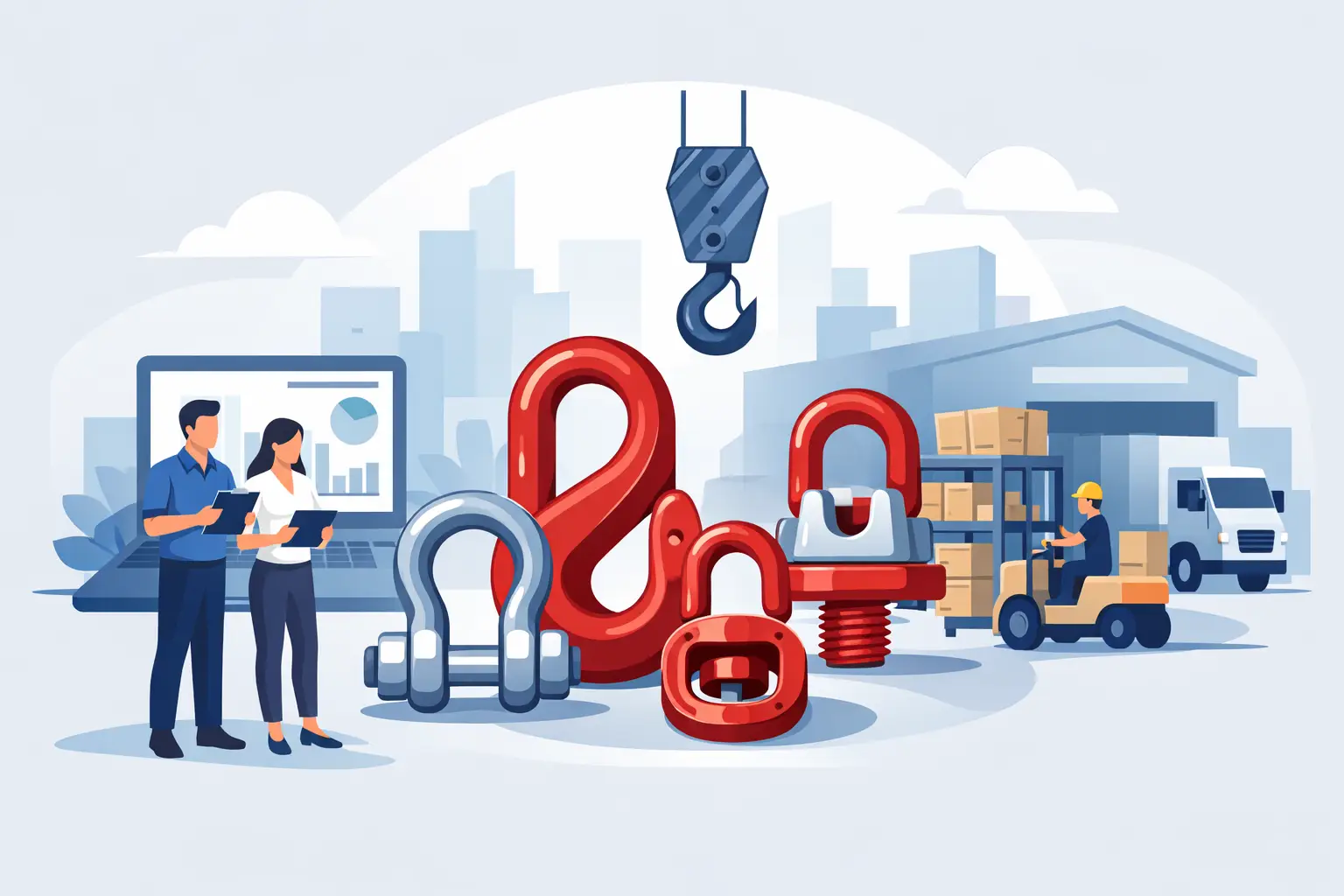
A Crosby rigging hardware distributor is not simply a source for shackles, hooks, and fittings. For a lifting operation, the supplier helps determine whether the correct, traceable component reaches the job before a critical lift, outage, vessel mobilization, or equipment repair is delayed. That makes product accuracy, working load limit clarity, and fulfillment discipline part of the safety process.
For procurement teams and rigging supervisors, the right distributor reduces two costly risks at once: using unsuitable hardware and losing productive time while waiting for a replacement. The best choice depends on the application, required capacity, environmental exposure, documentation needs, and how quickly the site must receive the material.
What a Crosby Rigging Hardware Distributor Should Provide
Crosby hardware is specified across demanding lifting and load-securing applications because buyers need recognized product design, marked capacities, and components that fit established rigging practices. However, the brand name alone does not complete the purchasing decision. Buyers still need to confirm the exact product series, size, pin style, material, finish, and WLL for the intended connection.
A capable distributor makes that work easier by presenting usable product information before the order is placed. A listing should identify the item number, dimensions, WLL, and relevant configuration rather than leaving the buyer to compare look-alike components from a photo. This matters when a crew needs a screw pin shackle for temporary connection, a bolt-type shackle for a more permanent or vibration-prone setup, or a swivel hoist ring that must align under changing load direction.
The supplier should also understand that lifting hardware is part of an assembly. A shackle selected in isolation may not be suitable once sling angle, pin engagement, multiple-leg loading, side loading, or connection geometry are considered. Clear catalog data supports the field team, but it does not replace a qualified person’s lift planning, inspection, or engineering review when the lift is complex.
Product identification prevents expensive substitutions
The quickest way to create a problem is to substitute hardware based only on nominal size. A one-inch shackle, for example, is not a complete specification. Pin type, WLL, bow or dee pattern, material grade, and manufacturer designation all affect whether it matches the required application.
When requesting a quote or placing an order, provide the manufacturer item number when available. If it is not available, specify the required WLL, body style, pin configuration, quantity, intended use, and any dimensional restrictions. Photos of an existing component can help identify a part, but they should be supported by measurements and markings whenever possible.
For replacement parts, the same discipline applies. Pins, nuts, cotter pins, latches, and other components should match the original manufacturer’s requirements. A hardware assembly should not be altered with unverified replacement parts just to keep a job moving. The apparent short-term savings can become a far larger exposure during inspection or under load.
Start With the Lift, Not the Catalog Page
The correct hardware selection begins with the load path. Determine the maximum load the connection will see, then account for sling configuration, angle factors, potential load distribution, and the direction of pull. The stamped WLL is a limit under specified conditions, not a blanket approval for every use case.
Side loading is a common issue. Shackles, hooks, and lifting points can lose capacity or become unsuitable when the force is applied outside their intended loading direction. A connection that appears acceptable while equipment is at rest may shift as a load is picked, landed, or rotated. That is why the geometry of the entire assembly deserves attention before hardware is released to the field.
Environmental conditions also change the selection. Offshore and maritime teams may need to consider corrosion exposure and inspection frequency. Oilfield operations may encounter abrasion, mud, chemical exposure, and repetitive handling. Construction sites may need hardware that can withstand frequent mobilization while remaining easy for crews to inspect and identify. The application determines whether stock availability, finish, specialized connections, or a particular product series should take priority.
A dependable supplier can help locate the specified item quickly, but it should not guess at a lifting design. If the job involves nonstandard loading, personnel lifting, engineered lifts, unusual sling angles, or a high-consequence critical lift, involve the qualified rigger, competent person, or engineer responsible for the plan.
Four Checks Before You Purchase
Before releasing a purchase order, verify four areas that directly affect safe and efficient use:
- Working load limit and configuration: Confirm the WLL applies to the actual setup, including sling angle, number of legs, and direction of loading.
- Exact product identity: Match the item number, size, pin style, thread type, and component series to the approved specification or existing assembly.
- Traceability and condition: Verify markings, documentation requirements, and whether the item is new, complete, and suitable for inspection upon receipt.
- Delivery and continuity: Confirm stock status, lead time, packaging, and the supplier’s ability to source related hardware or genuine replacement components if the scope expands.
These checks are straightforward, but they prevent common purchasing failures. A lower-priced alternative may be reasonable when it meets the approved specification and application requirements. It is not reasonable when the difference is unclear capacity data, incompatible dimensions, absent traceability, or an unknown replacement component.
Availability matters when downtime is on the clock
During an unplanned repair, a rigging hardware order is often connected to more than one task. A damaged shackle can hold up a pump pull, crane work, cargo handling sequence, or maintenance shutdown. The procurement question is not only, “Can this item be supplied?” It is also, “Can the correct item be identified, packed, and delivered without creating a second delay?”
For routine replenishment, purchasing teams can reduce exposure by standardizing commonly used sizes and maintaining site inventory based on actual consumption. For specialized hardware, a distributor with custom sourcing capability is valuable because unusual capacities, fittings, and replacement components may not be held locally.
Pro Oil Field Supply supports this balance with access to recognized industrial brands, detailed load-capacity information, stocked lifting products, and sourcing support for specific operational requirements. For customers serving MENA, Africa, or other international locations, shipping coordination and secure packaging are just as important as the product itself.
Receiving, Inspection, and Field Control
Procurement does not end when the shipment arrives. Receiving teams should compare the delivered item against the order and required specification before it enters service. Check manufacturer markings, WLL, size, item identification, pin or latch completeness, and visible condition. Remove hardware from service if it shows cracking, deformation, excessive wear, damaged threads, unauthorized welding, heat exposure, or altered markings.
Field control matters because good hardware can still be misused. Do not exceed the WLL, force a pin that does not align, use makeshift spacers, or modify a component to fit a connection. Ensure pins are properly seated and secured as designed. Keep hardware clean enough for markings and inspection points to remain visible, particularly in abrasive or corrosive service.
Inspection intervals should follow the applicable regulations, manufacturer guidance, site procedures, and service severity. Frequent-use equipment in harsh conditions may require closer attention than hardware used occasionally in controlled warehouse lifting. Documented inspection and removal criteria give supervisors a defensible process when equipment condition is questioned.
Build the Supplier Relationship Before the Urgent Call
The most useful distributor relationship is established before a critical component fails. Share the hardware families, capacities, and recurring applications used at your location. This gives the supplier a better basis for helping identify stocked equivalents within your approved requirements, locating hard-to-find items, and preparing repeat orders accurately.
For larger operations, standardizing approved product identifiers can simplify purchasing across crews, warehouses, and project locations. It improves order accuracy and helps prevent an operator from receiving a similar-looking component that is wrong for the assembly. It also makes inventory planning more practical because demand can be measured by actual item number and capacity.
When a lift is waiting, speed matters. But the right response is not simply the fastest shipment of whatever is available. It is the fastest path to correctly specified, clearly rated hardware that arrives ready for proper inspection and safe service. That is the standard worth setting with every rigging hardware supplier.