
Lifting Point Working Load Limit Selection
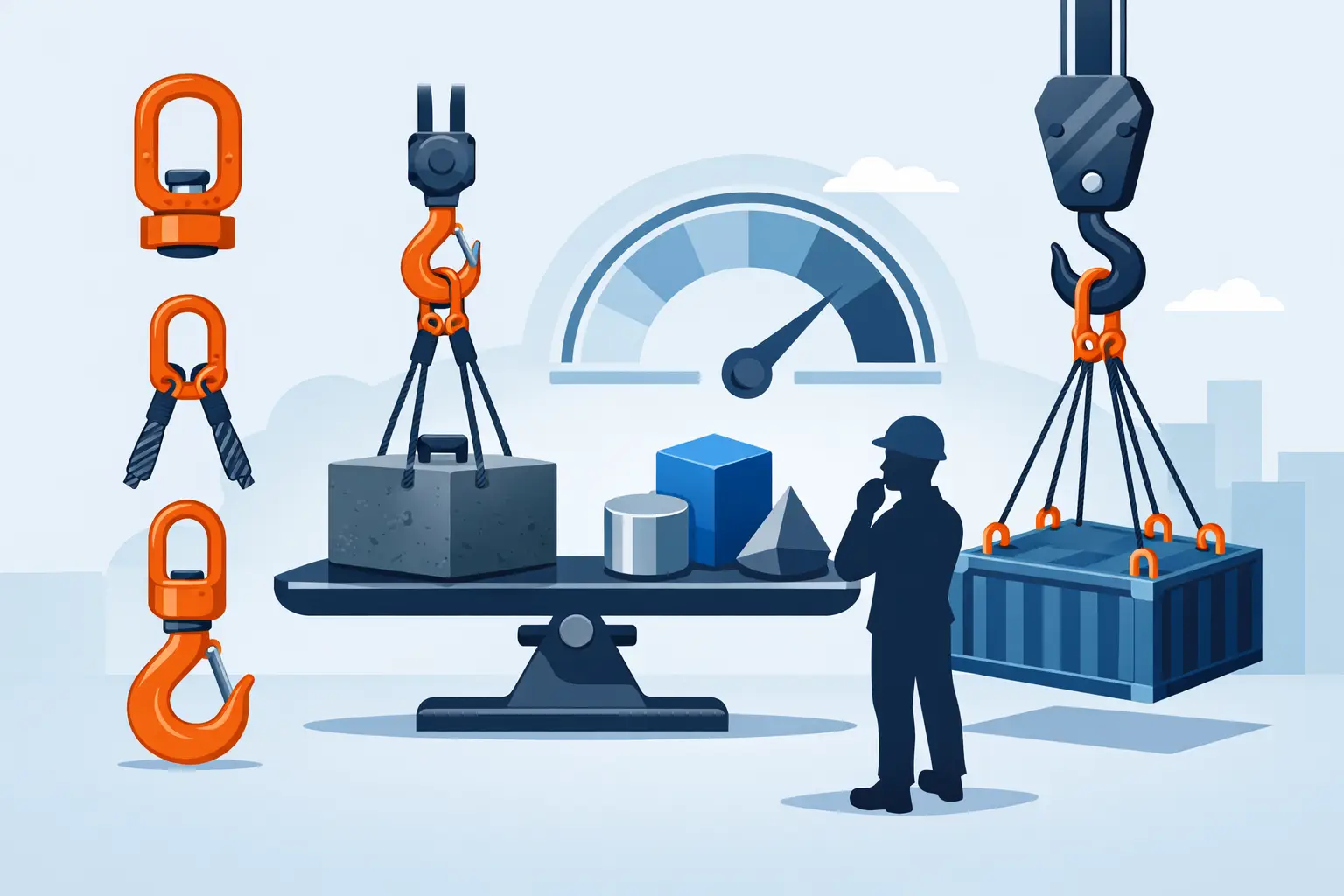
A lifting point can look substantial, be threaded into solid steel, and still be the wrong connection for the lift. The lifting point working load limit is only valid under the conditions stated by its manufacturer. Change the loading angle, pull sideways on a non-swivel eye bolt, reduce thread engagement, or use an unverified attachment point, and the safe capacity can change quickly.
For rigging supervisors, maintenance teams, and procurement personnel, the rating stamped on the hardware is the starting point, not the entire lift plan. Selecting a certified lifting point means matching the hardware to the load, the direction of pull, the connection geometry, and the equipment being lifted. That discipline protects people, prevents damaged assets, and keeps critical work moving without avoidable downtime.
What a Lifting Point Working Load Limit Means
Working load limit, commonly marked WLL, is the maximum load a lifting point is permitted to support in normal service when used as specified. It is not the same as breaking strength. Breaking strength is the force at which a component may fail during testing. WLL is the controlled service rating established by the manufacturer using an appropriate design factor.
A 5-ton lifting point does not automatically make every 5-ton lift acceptable. The rating may apply only to straight, in-line loading. It may require a particular bolt grade, a minimum thread depth, and a specified mounting material. Some lifting points are rated for a range of loading directions, but their WLL often changes as the angle changes.
This distinction matters when a load is lifted from multiple points. The load share may not be equal, especially when the center of gravity is off-center, sling legs differ in length, or the rigging arrangement is not perfectly level. The load on an individual lifting point can exceed a simple division of total weight. A competent person should account for sling angle, the number of active legs, center of gravity, and likely load transfer before the lift begins.
Match the Lifting Point to the Direction of Pull
The most common selection error is treating every lifting eye as if it is suitable for every direction of load. It is not.
A fixed eye bolt is generally intended for an in-line pull. If the load must be pulled at an angle, a shoulder-pattern eye bolt may offer limited angular capability when installed correctly, but its rated capacity is typically reduced. The exact reduction depends on the manufacturer and the angle of pull. Never apply a generic derating chart to hardware from another manufacturer or product series.
For repeated lifts, side loading, rotation during the lift, or changing pull direction, a swivel lifting point or hoist ring is often the safer choice. A properly selected swivel lifting point can align with the sling leg and reduce bending forces caused by a misaligned connection. That does not eliminate the need to verify capacity at the actual angle. It simply provides equipment designed for the loading condition.
The difference is operationally significant. A fixed eye that is forced to take a side pull can bend, loosen, or concentrate stress at the threads. A rated swivel hoist ring may be more expensive at purchase, but it can be the right commercial decision when it prevents damaged machinery, rejected lifts, and jobsite delays.
Consider sling angle and leg loading together
As sling legs move farther away from vertical, tension increases. That increased tension is transferred to shackles, hooks, master links, and lifting points. A two-leg bridle lifting a 10,000-pound load does not place 5,000 pounds on each point once the legs are angled outward.
The lift plan must use the actual sling angle and the applicable manufacturer’s WLL table. Where angle is uncertain, the lift should be redesigned for a more favorable geometry, such as a wider spreader arrangement, closer-to-vertical sling legs, or lifting points positioned to better support the load. Do not solve an unfavorable angle by assuming the marked WLL has extra capacity available.
Thread Engagement Is Part of the Capacity
A lifting point is only as strong as its connection to the load. The threaded body, mounting hole, mating material, bolt grade, and engagement depth all matter. A correctly rated lifting eye installed into inadequate thread depth is not a correctly rated lifting assembly.
Use the manufacturer’s installation requirements for thread size, minimum engagement, torque, mounting surface condition, and bolt specification. Many swivel lifting points are supplied with bolts selected for that specific product. Replacing an original bolt with a similar-looking fastener can change the assembly’s safe capacity. Confirm the thread pitch as well as the nominal diameter, particularly when metric and inch-series equipment may be present in the same maintenance operation.
The base material also requires attention. A threaded lifting point installed in a properly engineered steel padeye is different from one installed in thin plate, cast material, aluminum, or a repaired component. The lifting point rating does not certify the structure underneath it. If the equipment manufacturer has designated lift points, use those locations and follow its instructions. For fabricated or modified equipment, the attachment design should be reviewed by a qualified engineer.
Before use, make sure the lifting point seats fully against a clean, flat mounting surface. Paint buildup, weld spatter, burrs, corrosion, or debris can prevent proper seating and introduce unintended bending. Avoid washers or spacers unless the manufacturer specifically permits them. They can reduce usable thread engagement or alter how force is transferred into the load.
Verify the Complete Rigging System
A lifting point does not work alone. Its working load limit must fit within the capacity of every component in the load path, including the sling, shackle, hook, master link, spreader beam, hoist, and supporting structure. The system capacity is limited by its lowest-rated component under the actual configuration.
Connection fit deserves the same attention as capacity. A hook that is too large for a lifting eye may bear on the point or side of the eye instead of the intended load-bearing area. A shackle pin that does not fit properly may create side loading or damage the hardware. Connecting multiple sling eyes or hooks directly into one small lifting point can crowd the connection and create unintended loading.
Use hardware with compatible dimensions and a clear, controlled load path. When the connection requires more room or better alignment, a correctly rated shackle, master link, or swivel component may be necessary. Field improvisation is not a substitute for compatible rigging.
Inspection Before Every Lift
Inspection is fast compared with the cost of a failure. Before the lift, confirm that the WLL marking and identification are legible and that the hardware matches the approved lift plan. Check for deformation, cracks, thread damage, corrosion, damaged latches or moving parts, unauthorized welding, heat exposure, and signs that the point has been shock loaded.
Swivel lifting points should rotate and pivot as intended, without binding or excessive play. Fixed eyes should be properly aligned where the manufacturer requires alignment. Inspect the mounting hole and surrounding structure as carefully as the lifting point itself. Elongated holes, pulled threads, distorted padeyes, or fresh cracking around a connection are stop-work conditions.
Remove from service any lifting point with missing identification or questionable condition. A component without traceable capacity cannot be treated as certified lifting hardware. For operations with frequent lifts, establish documented periodic inspections in addition to pre-use checks, following the manufacturer’s instructions and site procedures.
Buy by Specification, Not Appearance
When ordering lifting points, provide more than the desired tonnage. Specify the required WLL, thread size and pitch, mounting method, expected load direction, number of connection points, and whether the lift requires pivoting or full swivel capability. Include the equipment material and any dimensional restrictions around the mounting area.
Brand, product series, and item number matter because ratings and installation requirements differ. Certified lifting hardware from established manufacturers provides traceable markings, published instructions, and defined use limits. That information gives procurement teams and field personnel a defensible basis for selection rather than relying on appearance or assumed equivalency.
Pro Oil Field Supply supports heavy-duty lifting requirements with clearly specified lifting points, hoist rings, shackles, hooks, and related rigging hardware for demanding industrial operations. When the application is unusual, provide the lift details before ordering so the selected equipment reflects the actual job, not just a catalog capacity.
The right lifting point is the one that remains within its rated limits after the load direction, sling geometry, connection design, and installation have all been checked. That is how a stamped WLL becomes a safe, workable lift in the field.