
Buy Alloy Bow Shackles for Safe Heavy Lifts
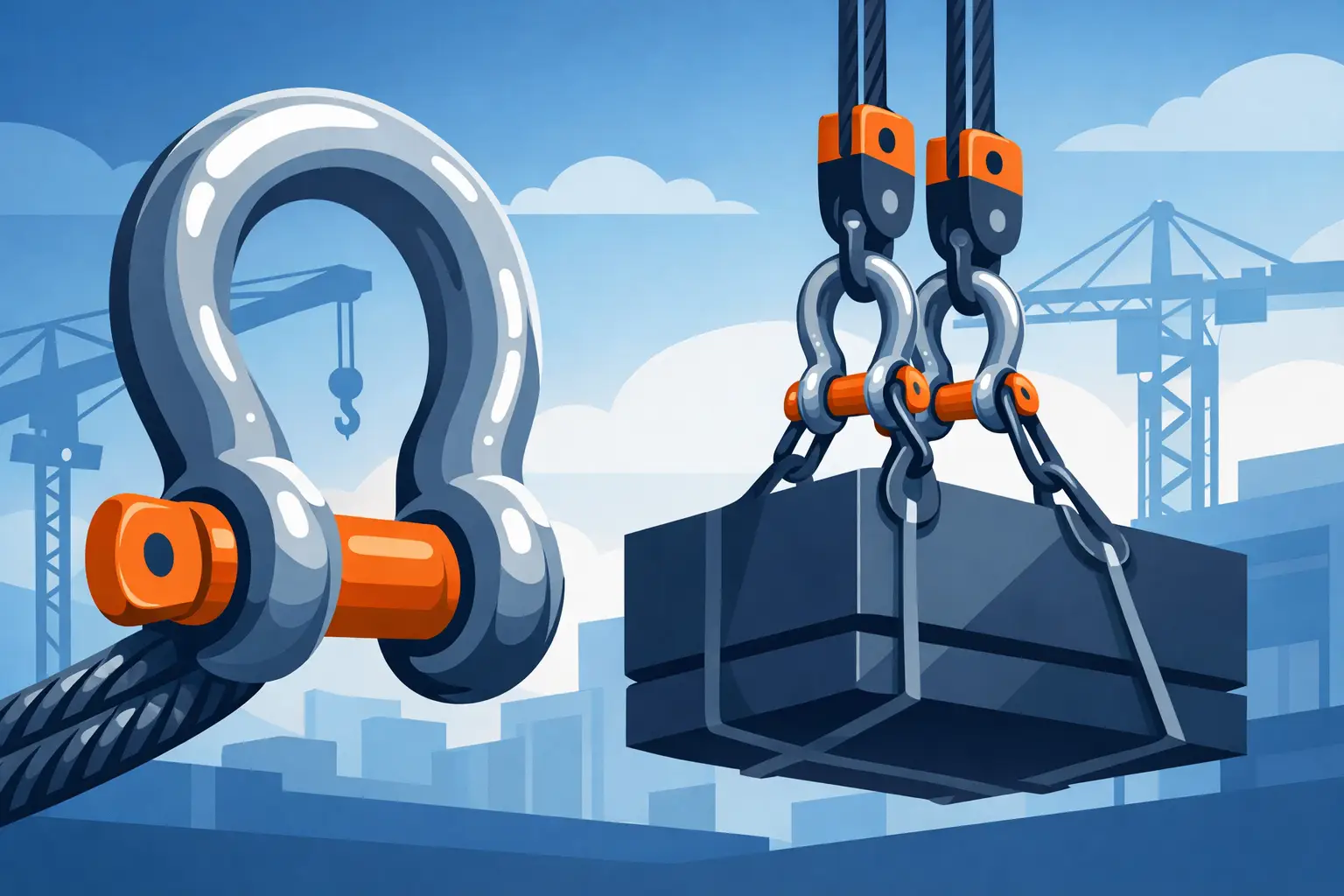
A shackle can be a small component in a large lift, but it is never a small decision. When you buy alloy bow shackles, the purchase must match the actual load path, sling configuration, connection points, and handling conditions on site. A mismatched pin, an unclear working load limit, or unverified hardware can stop a job before the lift begins – or create a far more serious safety exposure.
For oilfield, construction, maritime, energy, and heavy-equipment operations, alloy bow shackles are selected because they provide a broad internal bow for multi-leg slings, web slings, wire rope slings, and lifting attachments. Their versatility is valuable, but it also means buyers need to look beyond nominal size and price. The right shackle is the one that fits the connection correctly, carries a clearly marked working load limit, and comes from a supplier that can support the required specification.
Why Alloy Bow Shackles Are Used in Heavy Lifting
Alloy bow shackles, sometimes called anchor shackles, have a rounded bow that provides more room than a D-shackle. That wider profile can accommodate multiple sling eyes or a larger connection point without forcing the components into an unfavorable angle. In practical terms, this makes bow shackles a common choice for bridle assemblies, spreader-beam connections, equipment recovery, lifting lugs, and general rigging work.
The material matters. Forged alloy steel shackles are designed for demanding lifting applications where strength, toughness, and controlled manufacturing are essential. They are not interchangeable with general-purpose hardware-store shackles, galvanized utility shackles, or unmarked fittings. For a planned lift, use lifting-rated hardware with the manufacturer’s working load limit, identification markings, and documentation appropriate to the site requirement.
A bow shackle is not automatically the best choice in every situation. A D-shackle may provide a more direct, stable connection when loading is strictly in line and only one sling eye is used. The bow design is often more flexible, but that flexibility does not permit side loading beyond the manufacturer’s stated limits.
What to Check Before You Buy Alloy Bow Shackles
The fastest way to make a poor purchase is to order by diameter alone. Pin size, body dimensions, working load limit, pin type, and brand series all affect whether the shackle will perform correctly in the intended assembly.
Start With the Working Load Limit
The working load limit, or WLL, is the primary rating for selection. It must be suitable for the calculated load on each shackle in the rigging system, not simply the total weight of the object being lifted. A two-leg or four-leg sling arrangement can place significantly different forces on each connection as sling angles change.
For example, reducing the sling angle increases leg tension. This can raise the force transmitted through shackles, master links, hooks, and lifting points even when the load itself has not changed. Do not assume a shackle rated above the total load is automatically adequate. The lift plan, rigging configuration, center of gravity, and applicable deration guidance determine the required capacity.
Match all connected components to the required rating. The shackle should not become the weak link in an otherwise properly rated sling assembly, and the assembly’s capacity is always limited by its lowest-rated component.
Select the Correct Pin Style
Screw pin shackles are common for temporary applications where connections are assembled and removed regularly. They are practical for many field lifts, provided the pin is fully engaged, correctly seated, and protected from unintended rotation during use.
Bolt-type shackles use a bolt, nut, and cotter pin or retaining arrangement. They are often preferred for long-term installations, repetitive movement, vibration, or applications where a screw pin could rotate loose. In offshore, marine, drilling, and equipment-handling environments, this added retention can be a meaningful operational advantage.
The choice depends on the job. A screw pin may be efficient for controlled, short-duration rigging. A bolt-type shackle may be the better fit where the connection remains installed, sees vibration, or is difficult to inspect frequently. Never substitute one pin style for another unless the manufacturer specifically permits it.
Confirm Physical Fit, Not Just Capacity
A shackle can have sufficient WLL and still be wrong for the connection. Check the bow width, jaw opening, pin diameter, and overall dimensions against the sling eyes, lifting lug hole, hook saddle, pad eye, or master link being used.
Avoid crowding. If multiple sling eyes are forced tightly onto a shackle pin, the load may not distribute as intended. Likewise, a lifting lug should fit the pin without excessive clearance that allows damaging movement, but it should not be forced into place. The pin must pass through freely and seat correctly.
Do not connect a shackle to the tip of a hook or load against a sharp edge. Hardware must be positioned so loading occurs through the intended bearing areas. If an application introduces side loading, angular loading, or multiple-leg loading, follow the specific manufacturer guidance for allowable reductions and positioning.
Verify Markings, Traceability, and Condition
For safety-critical lifting work, identification is part of the product. A suitable alloy bow shackle should have durable markings that allow the user to identify its WLL, size, manufacturer, and relevant product traceability information. Documentation requirements vary by customer, project, region, and inspection program, so confirm what must accompany the equipment before ordering.
When receiving shackles, inspect for legible markings, correct product identification, pin fit, deformation, cracks, gouges, thread damage, heat exposure, unauthorized welding, or corrosion that could affect serviceability. Quarantine hardware with questionable condition or missing identification until it has been evaluated under your company’s inspection procedure.
Common Errors That Create Lifting Risk
Most shackle failures are not caused by ordinary use within the product’s rating. They are often connected to incorrect selection, altered equipment, poor assembly, or loading outside the manufacturer’s instructions.
Watch for these recurring problems:
- Using a shackle whose WLL does not account for sling angle and load distribution.
- Side loading the shackle body or pin without applying the required capacity reduction.
- Replacing the original pin with a bolt, rod, or pin from another shackle.
- Installing multiple sling eyes in a way that bunches components or concentrates load on the pin.
- Using damaged, unmarked, modified, or heat-affected hardware.
Pin substitution deserves particular attention. A shackle body and pin are manufactured as a matched assembly. A similar-looking pin may have different material properties, thread engagement, diameter, or fit. If the original pin is lost or damaged, use a genuine approved replacement component, not an improvised field repair.
Choosing a Supplier for Lifting-Rated Shackles
Procurement speed matters when a crew is waiting on a replacement shackle, but availability should not override verification. Buy from a supplier that provides product-level specifications rather than relying on broad descriptions such as “heavy duty” or “industrial grade.” Buyers should be able to confirm manufacturer, item number, WLL, dimensions, pin style, and available documentation before releasing a purchase order.
Recognized lifting brands also make inspections and replacement planning easier. Consistent product identification helps rigging supervisors compare received goods to approved specifications, while established manufacturer support reduces uncertainty around ratings, replacement pins, and intended use.
For remote projects and international operations, packaging and fulfillment are part of the requirement. A shipment that arrives without the needed size, pin configuration, or paperwork can extend downtime as surely as a stockout. Pro Oil Field Supply supports industrial buyers with lifting hardware selected around clear capacity information, named manufacturers, and the practical needs of field operations.
Build Shackle Selection Into the Lift Plan
The strongest purchasing process starts before the order is placed. Have the rigger, lift planner, maintenance lead, or responsible supervisor confirm the load weight, connection geometry, sling type, expected angle, environmental exposure, and required capacity at each point in the assembly. That information turns a catalog search into a defensible equipment selection.
Keep the same discipline after delivery. Inspect shackles before use, verify that the pin is secure, keep load paths aligned, and remove any unit that no longer meets your inspection criteria. A correctly specified alloy bow shackle is a dependable part of the rigging system, but only when the entire system is selected, assembled, and used as intended.
When the lift cannot wait, the answer is not to make do with uncertain hardware. Specify the load, verify the connection, and order the shackle that keeps the job moving without compromising the people working beneath it.